October 22, 2026
Choosing between a heat pump and a furnace affects household comfort, energy use, and long-term expenses. Both systems can keep a home comfortable, but they work differently and suit different conditions. Comparing how each operates, what installation may involve, and how local weather affects performance can help homeowners make a practical choice. The right option depends on the home's layout, existing equipment, budget, and energy priorities.
Understanding Heat Pumps
How Heat Pumps Work
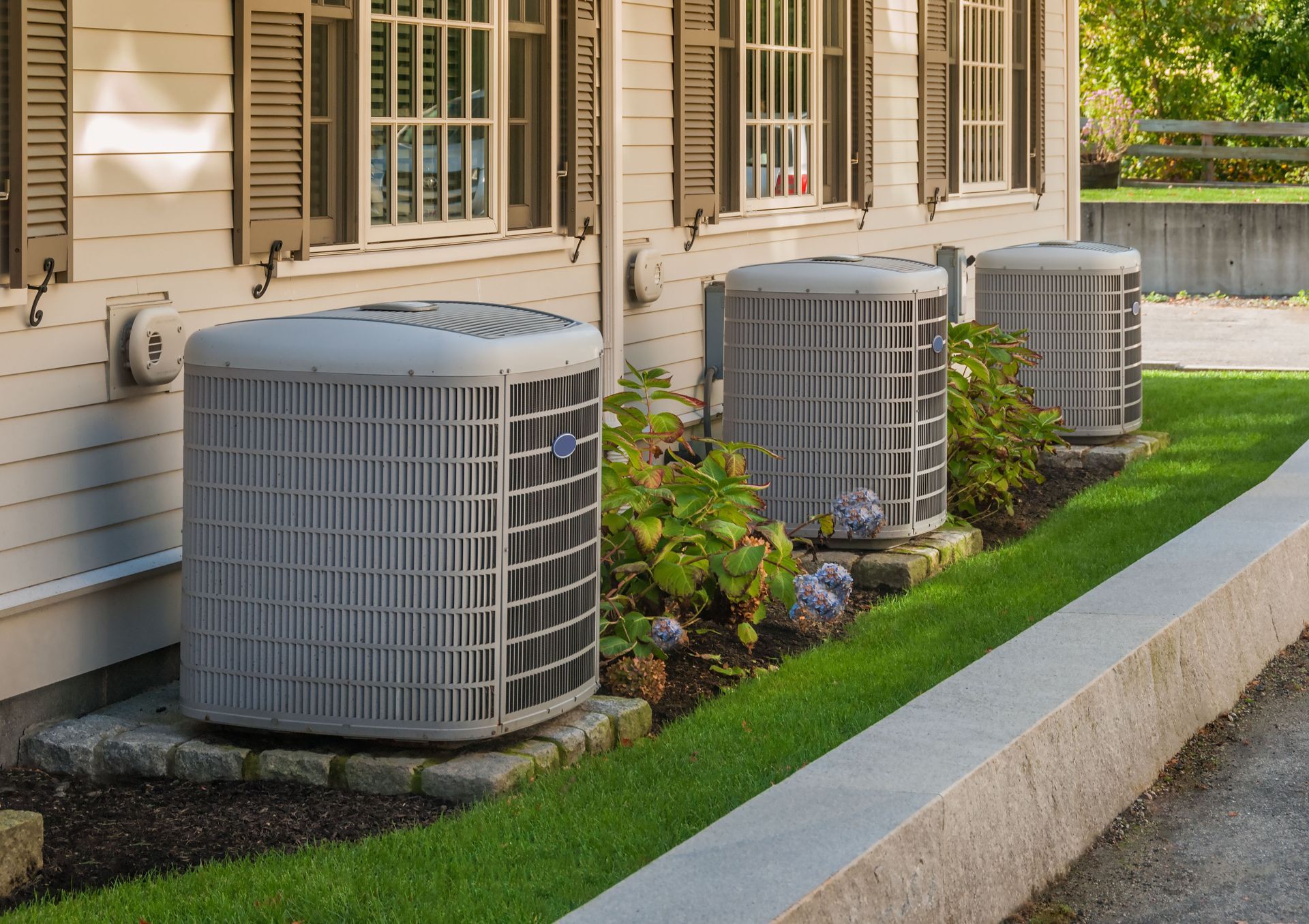
A heat pump moves thermal energy rather than creating it through combustion. In winter, it draws heat from outdoor air or the ground and transfers it indoors. In warmer weather, the process reverses, allowing the same equipment to cool the home. Because one system can serve both purposes, a heat pump may appeal to homeowners seeking year-round comfort without separate units for heating and cooling.
Types and Climate Considerations
Air-source models transfer heat between the home and outdoor air and are commonly installed in residential properties. Ground-source, or geothermal, systems use the more stable temperatures below the surface, but installation can be more involved because underground loops are required. Heating performance depends on the model and outdoor conditions. Modern cold-climate heat pumps can work in low temperatures, though some homes may benefit from a supplemental source during especially severe weather.
Efficiency and Lifespan
Since heat pumps transfer energy, they can deliver more heat energy than the electricity they consume under suitable conditions. Their efficiency and operating cost depend on the model, climate, electricity rates, and how well the home retains warmth. According to This Old House, most HVAC systems last up to 20 years with proper maintenance. Regular professional service and prompt attention to performance changes can help owners protect their investment.
Understanding Furnaces
How Furnaces Work
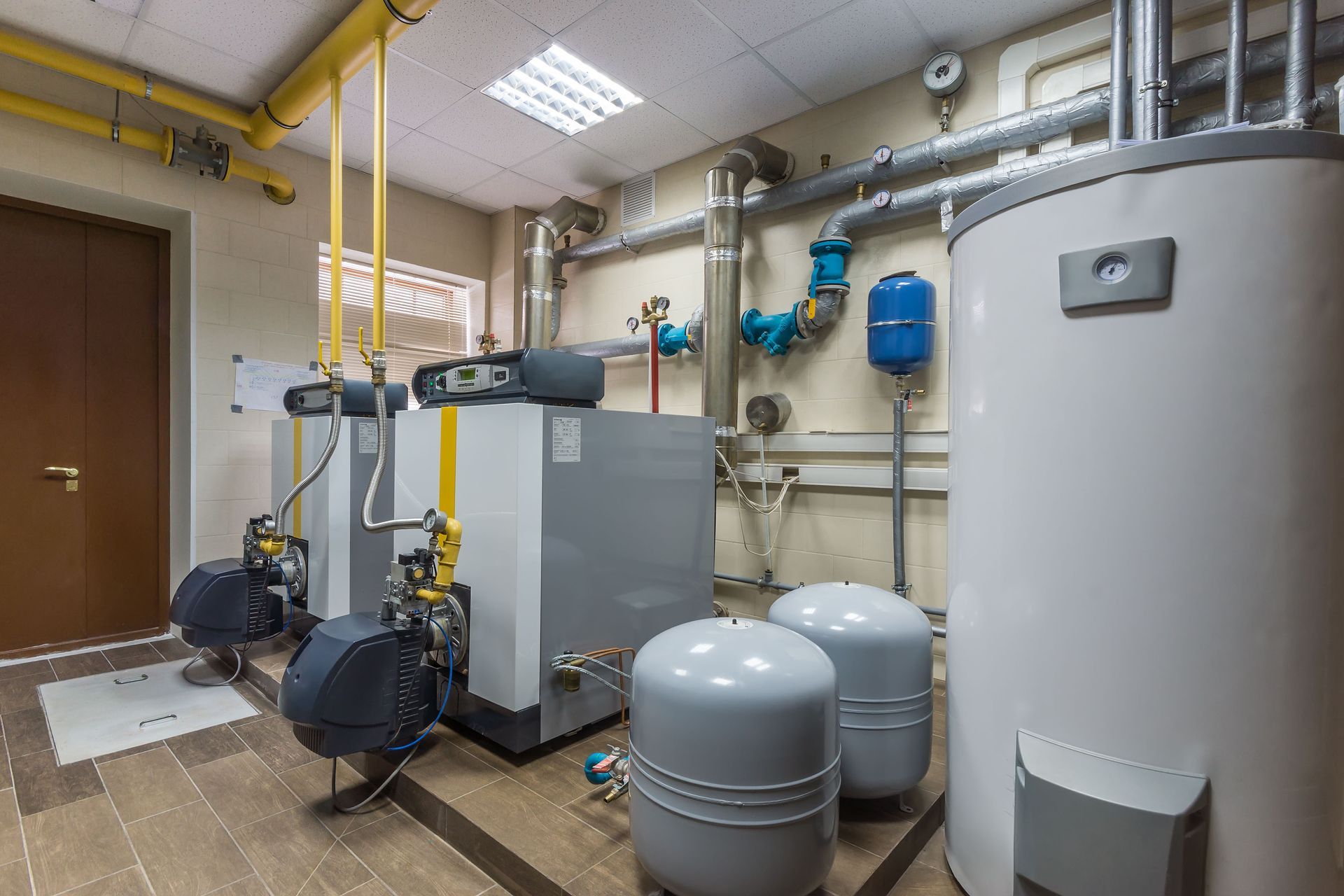
A furnace warms air and distributes it through a home's ductwork. Gas and oil models generate heat through combustion, while electric furnaces use resistance elements. Furnaces are a familiar technology in many homes and can provide a strong flow of warm air when outdoor temperatures fall sharply. Their heating performance depends on correct sizing, installation, fuel availability, and the condition of the distribution system.
Comparing Furnace Types
Gas furnaces are common where natural gas service is available and may offer relatively low operating costs depending on local fuel prices. Electric furnaces avoid on-site combustion and may be simpler to install in some homes, but electricity costs can make operation more expensive. Oil furnaces serve properties without access to natural gas, although fuel storage and delivery must be considered. Comparing available fuels and equipment efficiency helps clarify which option fits a household.
Efficiency and Safety
For fuel-burning furnaces, the Annual Fuel Utilization Efficiency (AFUE) rating indicates how much fuel energy becomes usable warmth. Higher ratings generally mean less energy is lost during operation, although the most efficient model is not automatically the least expensive choice for every home. Combustion equipment also requires appropriate venting and safety checks. Carbon monoxide alarms, clear vents, and professional inspections are important safeguards for households using gas or oil equipment.
Comparing Installation and Operating Costs
Upfront Installation Expenses
The total installation price varies with equipment type, home size, existing ductwork, electrical capacity, and job complexity. Heat pumps may cost more initially than a straightforward furnace replacement, particularly when upgrading electrical service or installing a geothermal loop system. A furnace installation may also require duct repairs, venting changes, or other updates. Comparing written estimates that specify equipment, labor, and necessary modifications makes it easier to assess the true cost.
Long-Term Expenses and Incentives
Purchase price is only one part of the decision. Homeowners should compare expected energy use, local electricity and fuel rates, routine service, and possible repair costs over the equipment's useful life. Available rebates or tax incentives may lower the cost of qualifying high-efficiency systems, but eligibility and program rules vary by location and can change. Check current requirements before including an incentive in a budget, and compare the likely total cost rather than relying on a rebate alone.
Comparing Performance and Reliability
Comfort in Different Conditions
Heat pumps can maintain steady indoor temperatures and offer both heating and cooling from one system. Their output and efficiency can change as outdoor temperatures drop, so proper equipment selection matters in colder regions. Furnaces can deliver high-temperature air quickly and are often valued in areas with long, cold winters. Neither option is best for every property. Local climate, insulation, room layout, and heating preferences all affect the result.
Noise and Common Repairs
Outdoor heat pump units produce some sound as compressors and fans operate, while indoor furnace noise often comes from the blower and airflow through ducts. Unusual banging, rattling, or persistent whistling may indicate a problem that deserves professional attention. Heat pumps can develop refrigerant or compressor issues, while furnaces may experience ignition, blower, or control failures. Timely diagnosis can prevent a small issue from worsening and help restore reliable operation.
Maintaining Long-Term Performance
Both systems benefit from clean filters, unobstructed airflow, and scheduled professional inspections. Heat pumps need checks of coils, refrigerant-related components, and defrost operation where applicable. Furnaces require attention to burners, heat exchangers, venting, and safety controls. Homeowners should follow the manufacturer's maintenance guidance and arrange service when performance changes rather than waiting for a complete breakdown. Maintenance cannot prevent every repair, but it supports safe operation and can extend equipment life.
Comparing Energy Use and Environmental Impact
Energy Sources and Emissions
Heat pumps run on electricity and move existing thermal energy, which can reduce energy consumption compared with systems that generate warmth by burning fuel. Their overall emissions depend partly on how the electricity is produced. Gas and oil furnaces release combustion byproducts on-site and rely on fuel delivery, while electric furnaces have no on-site combustion but may use more electricity than a heat pump to provide similar comfort. Household energy prices and environmental goals should both inform the comparison.
Compatibility With Home Improvements
Air sealing, insulation, and well-maintained ductwork can improve comfort with either system. These upgrades may also help homeowners avoid choosing equipment that is larger than necessary. Heat pumps can pair with solar electricity, potentially lowering the emissions associated with operation when the home's energy supply supports it. Before replacing equipment, an HVAC professional can evaluate the home's heating and cooling needs and identify changes that may improve performance.
Choosing the Right System for Your Home
Assessing Your Home and Budget
Start by considering the home's square footage, insulation, ductwork, electrical service, and access to natural gas or other fuels. Review installation estimates alongside expected operating costs, warranty terms, maintenance requirements, and available incentives. A lower purchase price may not lead to the lowest cost over time, while a more efficient system may not deliver the same savings in every climate or utility market.
Getting Professional Guidance
A qualified HVAC technician can calculate the home's heating and cooling load, review existing equipment, and recommend appropriately sized options. Proper sizing is important: oversized equipment may cycle too frequently, while undersized equipment may struggle to maintain comfort during demanding weather. Ask about expected performance in local conditions, installation requirements, and service needs before making a decision.
Make an Informed Choice
Heat pumps and furnaces can both provide dependable comfort when selected and installed for the property. Heat pumps offer efficient operation and combined cooling, while furnaces can be a strong fit for homes that need powerful warmth during prolonged cold spells. Comparing climate suitability, total costs, energy sources, and maintenance needs will help narrow the choices. Contact Extreme Heating & Cooling to discuss your home, compare suitable systems, and get professional guidance on an option that fits your comfort needs and budget.